The ruins of Bishop’s Waltham Palace represent one of the most substantial surviving residences of the medieval bishops of Winchester, a reminder of the political and economic power once exercised by the English episcopate. Founded in the twelfth century and expanded repeatedly over the next four hundred years, the complex functioned as a fortified manor, administrative centre, and occasional royal lodging. Its scale reflects the wealth of the Winchester see, which for much of the Middle Ages was second only to Canterbury in influence.
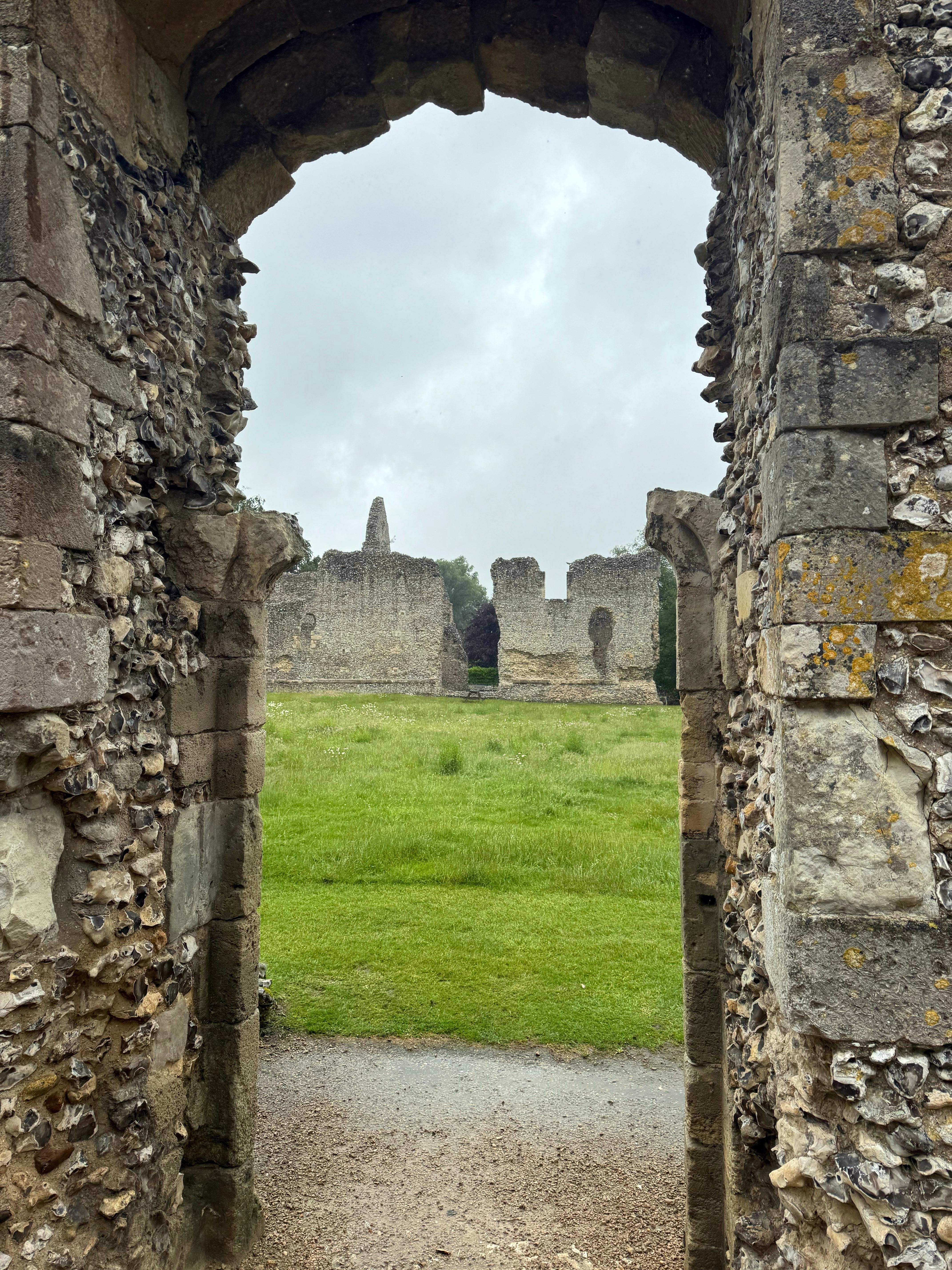
The palace was begun under Bishop Henry of Blois, grandson of William the Conqueror and brother of King Stephen. Appointed in 1129, Henry was one of the most powerful figures of his age, serving as papal legate and acting effectively as a second king during Stephen’s reign. His building programme at Bishop’s Waltham created a residence of exceptional size, combining domestic chambers, a great hall, service ranges, and defensive features. The surviving masonry — thick walls, ashlar facings, and the remains of the gatehouse — reflects the ambition of the original design.
Later bishops continued to develop the site. In the fourteenth century Bishop William of Wykeham, the great administrator and founder of Winchester College and New College, Oxford, rebuilt large sections of the palace, including the hall and domestic ranges. His work gave the complex much of its later medieval character. The palace also hosted royal visitors: Henry II, Edward I, Edward III and Henry V all stayed here at various times, using it as a convenient stopping point between Winchester, Portsmouth and London.
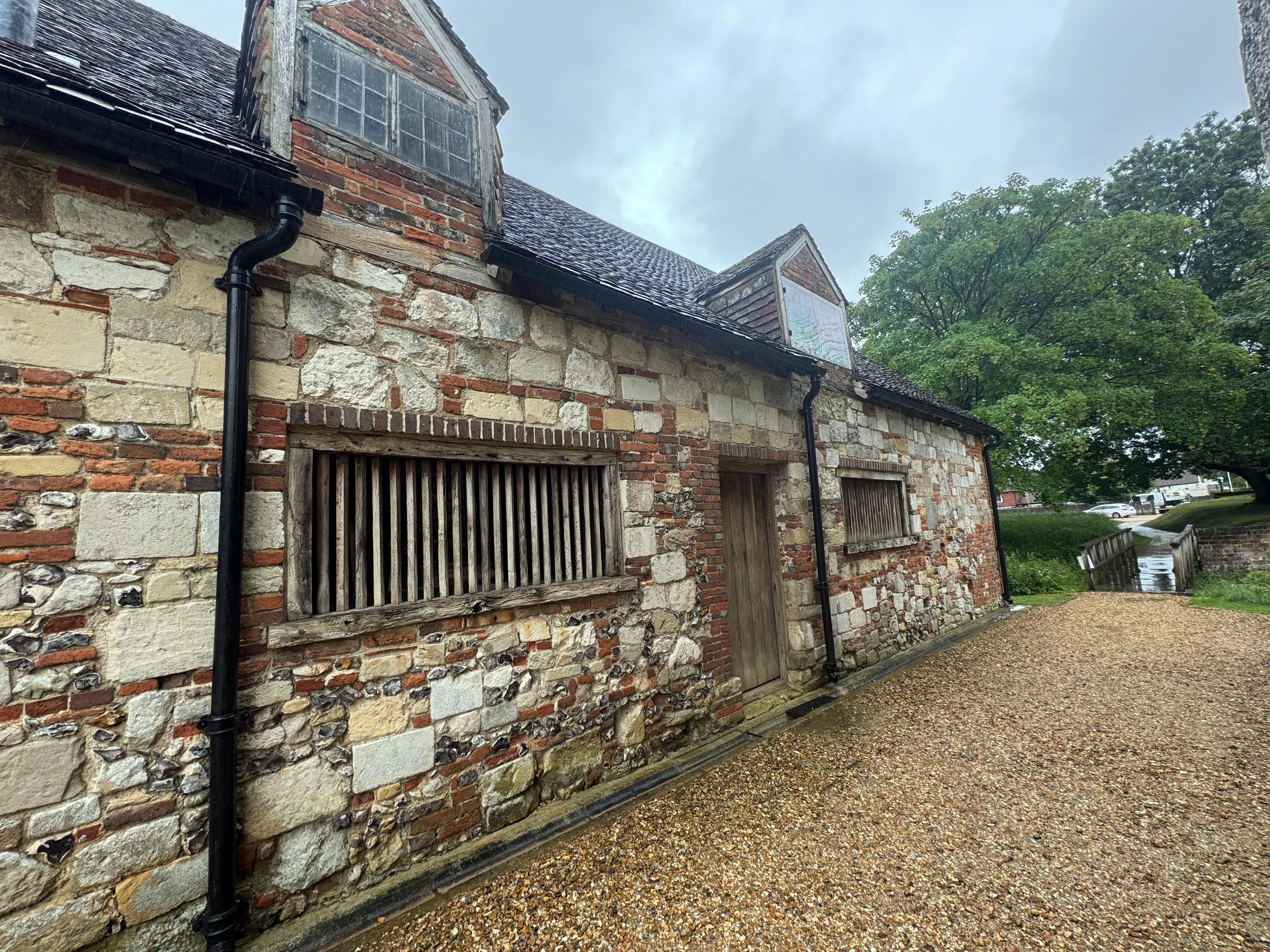
The palace survived the Reformation, unlike many monastic houses, because the bishopric itself continued. Under the Tudor and early Stuart bishops the complex remained an important administrative centre, though by the seventeenth century it required significant maintenance. Its final destruction came during the English Civil War. In 1644 Royalist forces occupied the palace, which was then besieged and captured by Parliamentarian troops. The buildings were slighted and left to decay, and the site was never restored to its former status. Portions of the domestic ranges were later adapted into a farmhouse, but the great hall and gatehouse remained as ruins.
By the nineteenth century the palace had become a romantic ruin, sketched by antiquarians and visited by early tourists. Its historical importance, however, was not formally recognised until the mid‑twentieth century. In 1952 Admiral of the Fleet Viscount Cunningham, who lived nearby in Bishop’s Waltham, transferred the site into the guardianship of the Ministry of Works. His intervention ensured that the ruins were stabilised, conserved and opened to the public. Today the site is maintained by English Heritage and remains freely accessible.
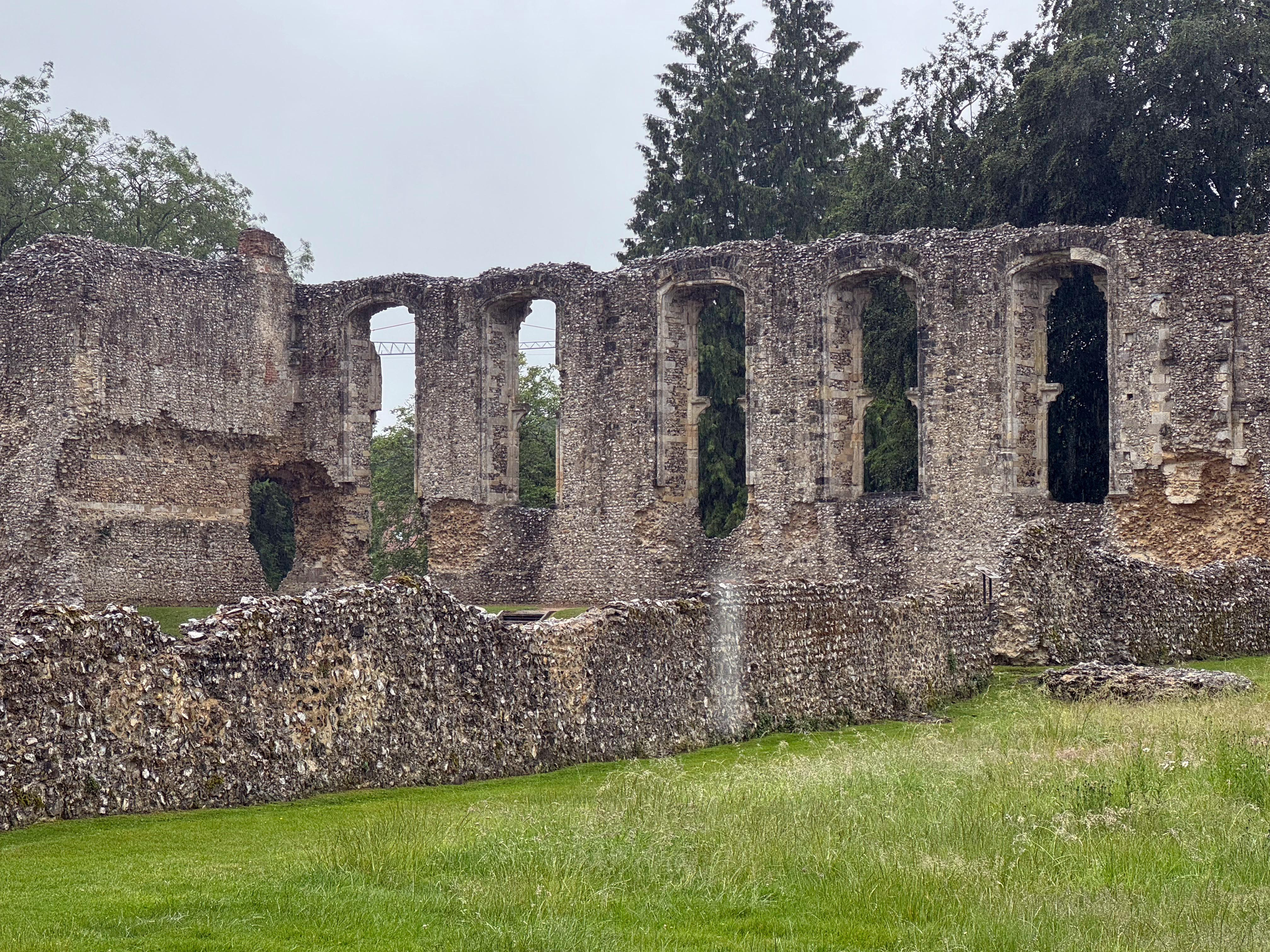
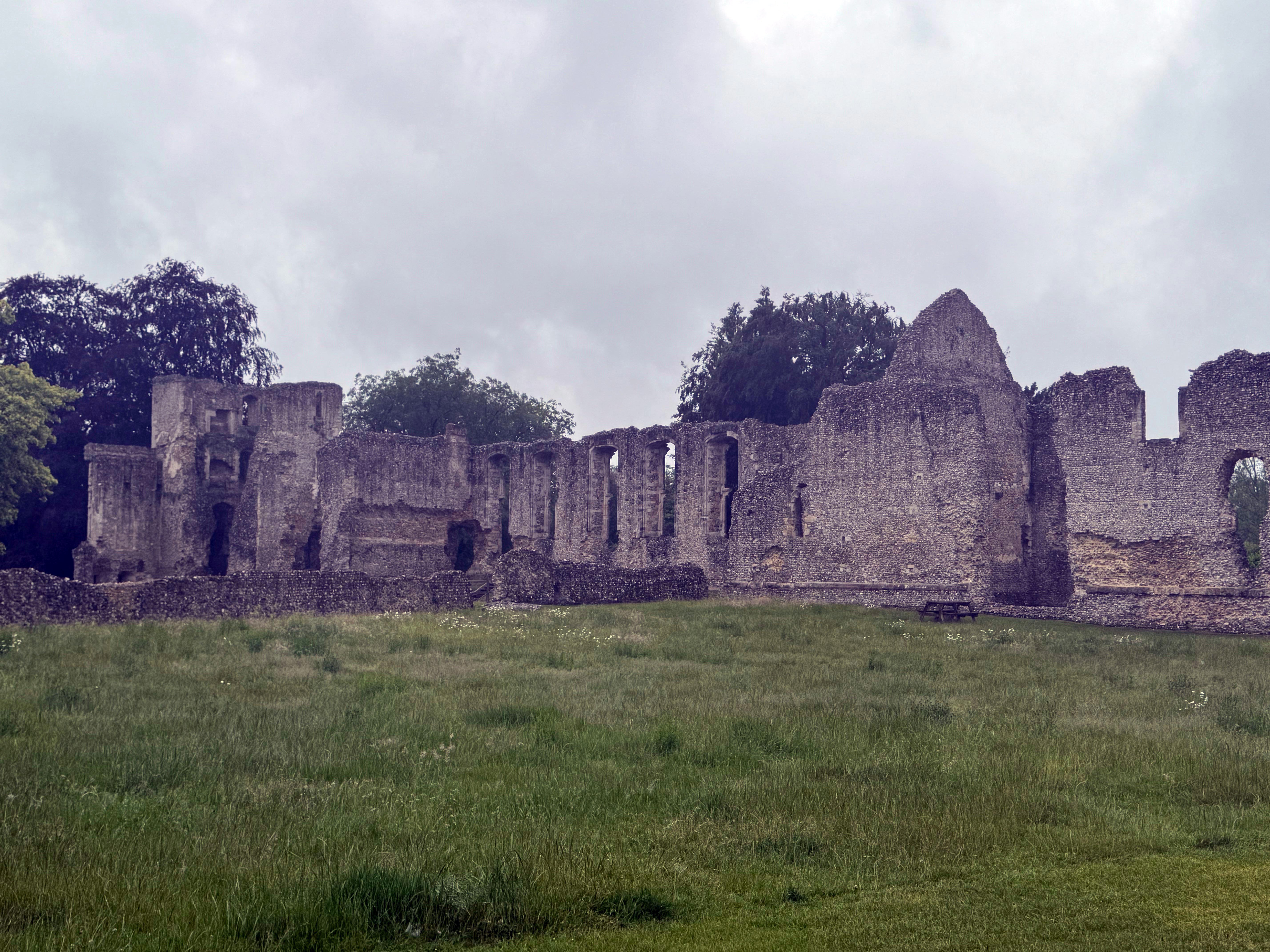
Architecturally, the ruins preserve key elements of a high‑status medieval residence: the shell of the great hall with its tall windows, the gatehouse with its flanking towers, and the outlines of the service and lodging ranges. Earthworks surrounding the complex indicate the former fishponds, gardens and defensive features. Although fragmentary, the remains allow a clear understanding of the palace’s original scale and layout, and they illustrate the lifestyle and authority of the medieval bishops of Winchester.
Bishop’s Waltham Palace is therefore both a local landmark and a significant national monument. Its ruins connect the modern town to centuries of ecclesiastical and political history, from the power struggles of the twelfth century to the upheavals of the Civil War. The site’s preservation — secured in part through the efforts of Admiral Cunningham — ensures that this history remains visible in the landscape of Bishop’s Waltham.