Belstone is one of those places where the past sits quietly in the background without making a fuss about it. Looking at the village from the Victorian period through to the years before the Second World War, you get a sense of how people here lived with the moor as a constant companion. Nothing dramatic happened very often, but the steady routines of work, weather and community shaped life in ways that were lasting.
In the nineteenth century Belstone was still a small farming village. Families kept sheep on the high ground, tended cattle in the lower fields, and made do with whatever the seasons allowed. Winters could be long and difficult, and summers were not always reliable, but people were used to that. The cottages, gathered close together, gave some sense of shelter from the wind, and the moor provided what was needed if you were prepared to work with it.
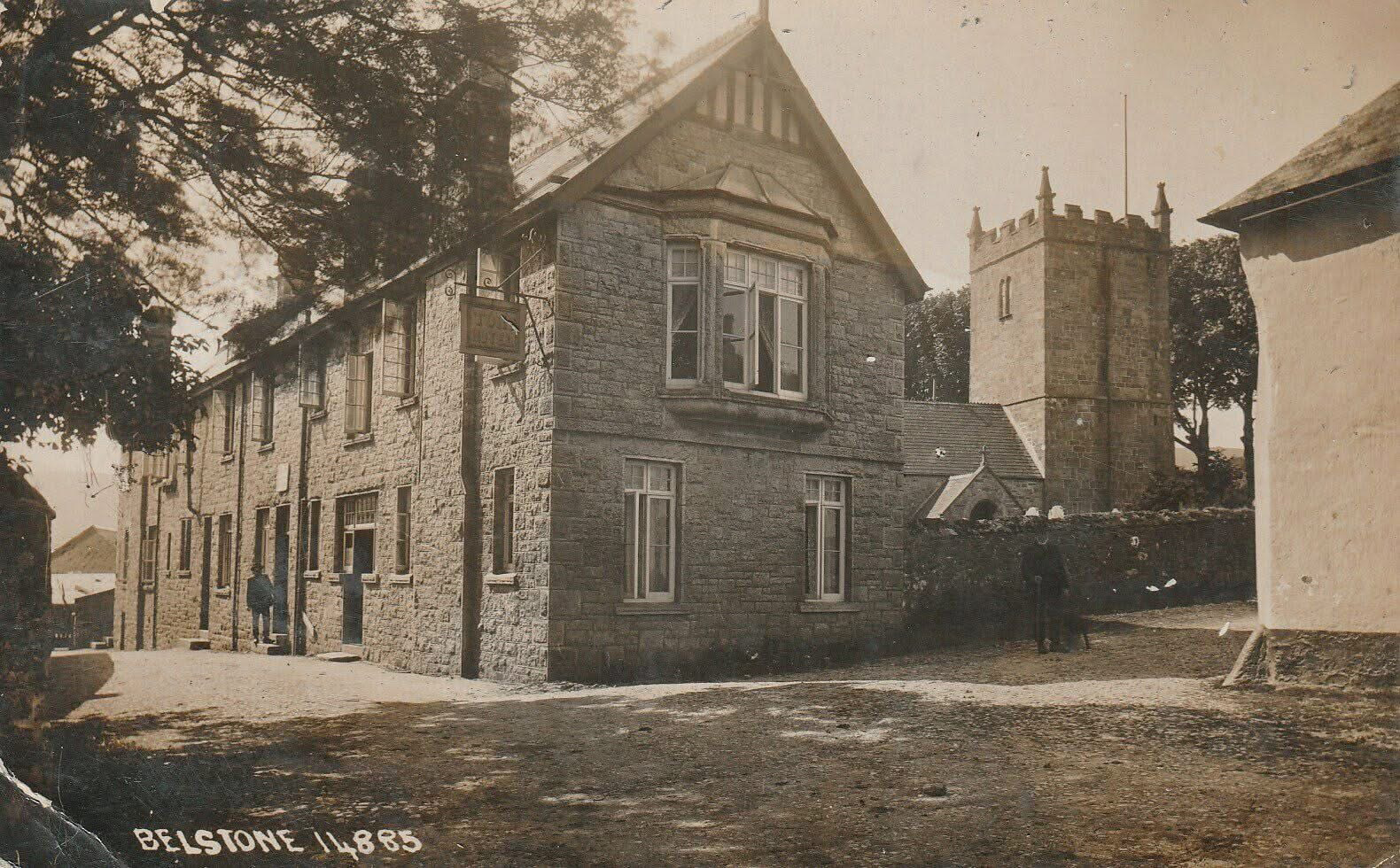
Gradually the outside world edged a little closer. Better roads and the Post and Telegraph Office meant that Belstone was no longer quite so cut off. Messages travelled more quickly, and the village had a clearer line to Okehampton and beyond. Even so, most news still passed from neighbour to neighbour, and the green remained the natural place to stop and talk.
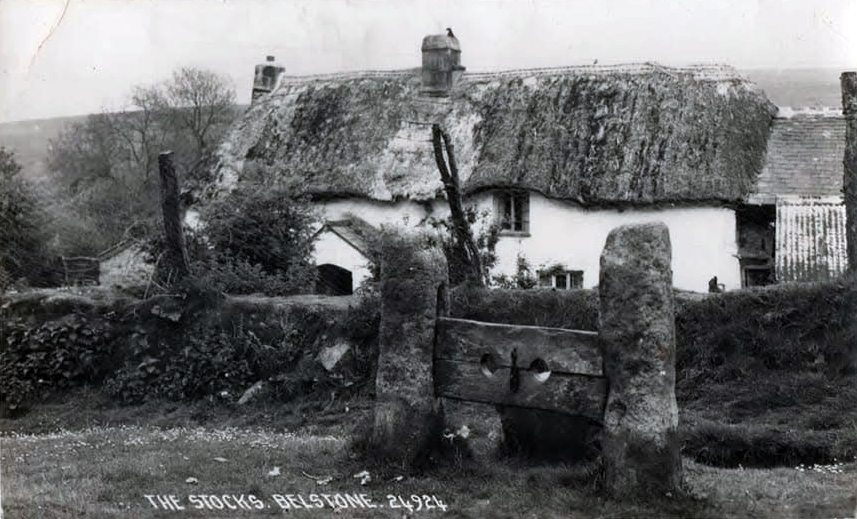
The stocks on the green are a reminder of an earlier way of keeping order. By Victorian times they were already relics, but they must still have carried a certain weight in people’s minds. Today they are simply part of the village scene, but it is easy enough to imagine the small crowd that once gathered around them, watching and commenting in the straightforward way of rural communities.
Church life played a steady role. St Mary the Virgin, high above the valley, stood firm through whatever weather came its way. The Methodist Chapel offered another place to meet and worship, and both buildings served as anchors during the long winters. They were not only for Sunday services; they were places where people learned news, shared concerns, and kept the village connected.
Belstone was never entirely separate from the wider world. The memorials in St Mary’s show how many young men left the village for Australia, New Zealand, India and other distant places, some for work and others for war. The First World War took its toll, as it did everywhere, and the inter‑war years brought their own difficulties for farming families. Yet the village continued in much the same way, adjusting quietly to whatever came next.
By the time the Second World War began, Belstone found itself close to a landscape increasingly used for military training. Troops moved across the moor, and the sound of artillery sometimes carried on the wind. Even so, the routines of farm work continued, and the village played its part in keeping food on the table at a time when it mattered more than ever.
Looking back across these decades, what stands out is the steady rhythm of ordinary life: tending animals in poor weather, gathering in the chapel on dark evenings, repairing walls, sharing news beside the stocks. These small, regular acts held the community together. The village changed, but it did so gradually, carrying its past with it rather than leaving it behind.
Walk through Belstone today and those traces are still easy to see. The cottages, the chapel‑turned‑tearoom, the old telegraph office, the memorials and the stocks all remain part of the place. They are reminders of a village that has moved at its own pace, shaped by the moor and by the people who have lived alongside it.